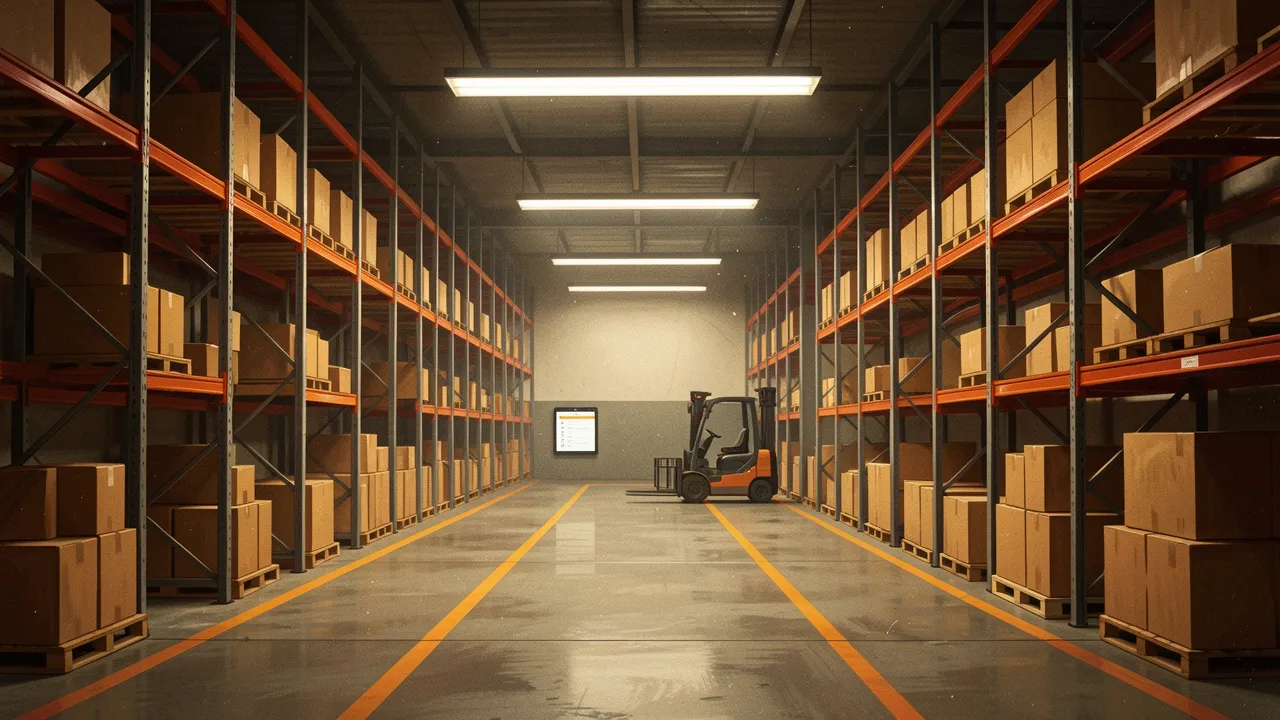
A humanoid robot is walking the aisles of Vodafone's Duisburg warehouse right now, checking inventory and logging what it finds directly into SAP. No human supervision. No clipboard. Just autonomous visual inspection at scale.
This is the pilot that Accenture, Vodafone, and SAP have been building toward - humanoid robots trained in digital twins, deployed in real facilities, and integrated into enterprise resource planning systems. The Robot Brain solution from Accenture coordinates it all: the robot navigates autonomously, identifies operational inefficiencies, and reports findings straight into the systems warehouse managers already use.
Why Humanoids for Warehouse Inspection?
The choice of humanoid form factor isn't just for show. Warehouses are built for humans - narrow aisles, shelving at human height, tools designed for human hands. A wheeled robot or drone would require redesigning the space. A humanoid robot slots into the existing infrastructure. It walks where people walk, reaches where people reach, and sees what people see.
The inspection task itself is repetitive, time-consuming, and error-prone when humans do it manually. Visual checks for damaged goods, misplaced inventory, or structural issues in racking systems need to happen regularly, but they pull staff away from higher-value work. Automating this with a robot that can cover the same ground consistently - and feed data directly into inventory systems - changes the economics.
Digital Twins as Training Grounds
The robots are trained in digital twins before they ever touch a real warehouse floor. This is critical. You can't afford to have a humanoid robot learning by trial and error in a live facility full of moving forklifts, fragile goods, and tight spaces. The digital twin replicates the warehouse layout, lighting conditions, and operational patterns. The robot learns to navigate, identify objects, and handle edge cases in simulation first.
Once deployed, the robot's visual inspection data flows into SAP systems automatically. That means warehouse managers see issues flagged in the same interface they use for everything else - no separate dashboard, no manual data entry. The robot becomes another data source in the operational stack, not a standalone science project.
Operational Inefficiencies at Scale
The real value isn't just in freeing up human time - it's in catching inefficiencies that humans miss. A robot doing visual inspections every shift will spot patterns over time: the same rack getting damaged repeatedly, inventory consistently misplaced in the same zone, lighting issues affecting visibility in certain areas. These patterns are invisible when inspections are sporadic or inconsistent.
For Vodafone, the pilot is a test of whether humanoid robotics can integrate into logistics operations without disrupting existing workflows. For Accenture and SAP, it's proof that enterprise software can orchestrate physical robots as naturally as it manages warehouse staff schedules or inventory counts. The technical challenge isn't just building a robot that can walk and see - it's building one that fits into the enterprise stack.
What Happens Next
This is a pilot, not a rollout. The unanswered questions are practical: battery life over full shifts, maintenance requirements, edge cases the digital twin didn't cover, and whether the cost savings justify the hardware investment. But the infrastructure is there now. The robot reports into SAP. The digital twin training pipeline works. The next step is scaling it.
If this pilot proves reliable, the model is replicable. Every warehouse has the same inspection tasks. Every enterprise runs similar ERP systems. The humanoid form factor means the robot doesn't need custom infrastructure. That's the pitch: drop a robot into your existing operation, train it in your digital twin, and let it handle the repetitive visual work your staff would rather not do.
For an industry still figuring out where humanoid robots actually belong, warehouse inspection is a practical answer. It's not glamorous. It's not customer-facing. But it's real work that matters, and the robots can do it today.