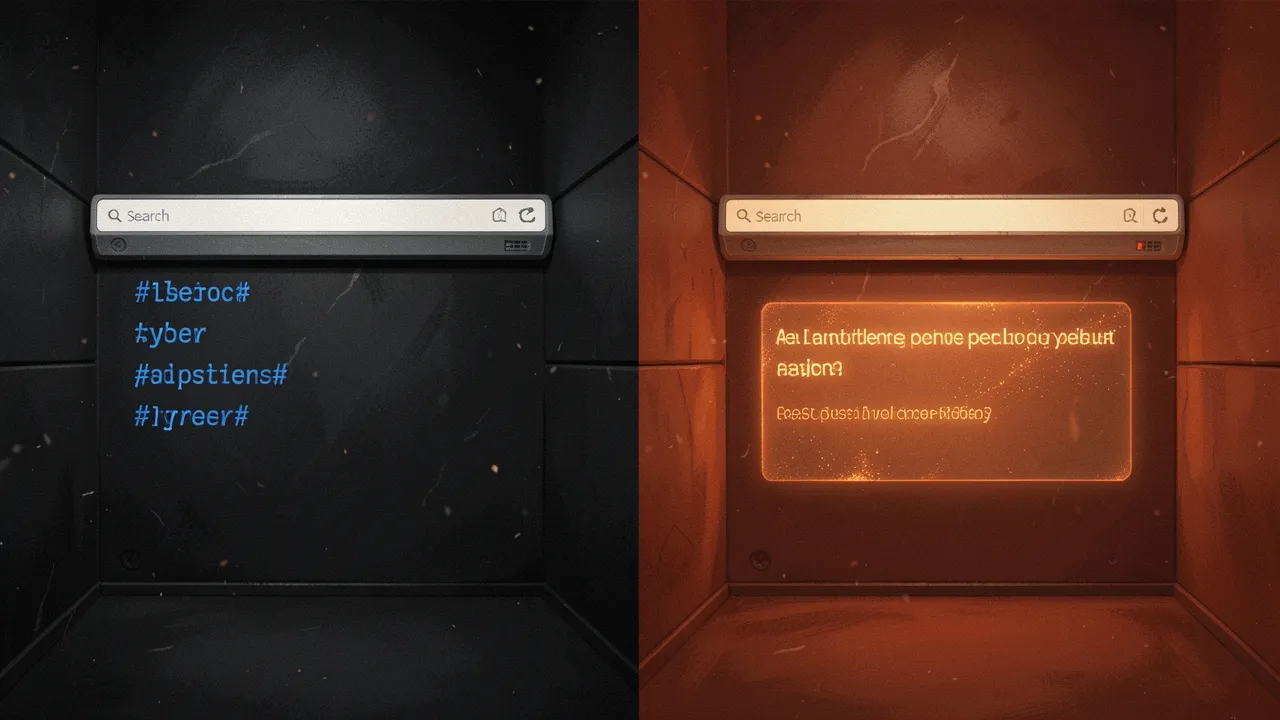
Google replaced its search results with AI agents at I/O 2026. Within weeks, DuckDuckGo installations jumped 30%. People are voting with their browsers.
The blue links are gone. Google's new Search doesn't show you ten results and let you choose - it decides for you. An AI agent reads the web, synthesises an answer, and presents it as the answer. No clicking through. No comparing sources. The machine has spoken.
For Google, this is the logical endpoint of years of work. They've been inching toward this since 2021 - featured snippets, knowledge panels, People Also Ask boxes. Each iteration took more real estate from actual links. The AI agent is just the final step: why show you the web when we can show you our summary of the web?
Why People Are Leaving
The 30% spike in DuckDuckGo installs tells you something Google's internal metrics won't. People don't like being told what the answer is. They want to see the options and decide for themselves.
There's a practical reason too. AI summaries are confidently wrong often enough that trusting them without checking sources feels risky. Medical advice, legal questions, financial decisions - these aren't areas where "close enough" works. People want to see where the information came from. They want to judge the source, not just the summary.
Google's AI agent doesn't show you its working. It presents a polished answer with footnotes buried at the bottom. If the agent misread a source, misunderstood context, or stitched together contradictory information, you won't know unless you dig. Most people won't dig. They'll assume Google got it right.
That assumption is what makes this dangerous. Search used to be a filter - it helped you find information, but you did the work of evaluating it. Now it's a gatekeeper. The AI decides what you see, what you don't see, and how the story gets told.
What DuckDuckGo Offers
DuckDuckGo's pitch is simple: they show you search results. Actual links. No AI layer. No tracking. No algorithmic decisions about what you should care about. You type a query, you get a list, you click what looks useful. It's search the way it worked in 2010.
For some users, that's exactly what they want. They don't need an AI agent. They need a fast way to find what they're looking for without Google deciding the answer for them. The 30% install spike suggests there are more of these people than Google expected.
DuckDuckGo isn't just benefiting from backlash - they're benefiting from a shift in how people think about search. Privacy used to be their main selling point. Now it's control. People want to decide what to read, which sources to trust, and how to form their own conclusions. Google's AI agent removes that control. DuckDuckGo gives it back.
The Bigger Pattern
This isn't just about search. It's about where AI sits in the information stack. When AI acts as a filter - surfacing options, highlighting patterns, summarising long documents - people tend to like it. When AI acts as a gatekeeper - deciding what you see, removing alternatives, presenting one answer as the answer - trust drops.
Google's mistake wasn't building an AI agent for search. It was making the agent the default experience. Users didn't ask for this. They weren't consulted. One day the blue links were there, the next day they weren't. That's not an upgrade. That's a takeover.
The 30% DuckDuckGo spike is a warning shot. People will tolerate a lot from Google because switching search engines is friction. But when the product stops feeling like a tool and starts feeling like a constraint, that friction becomes worth it. And once people switch, they don't tend to switch back.
Google can reverse this. They could make the AI agent optional. They could surface sources more prominently. They could let users toggle between agent mode and classic search. But that would mean admitting the AI-first approach isn't universally loved. And admitting that would require acknowledging what the data already shows: a significant chunk of users don't want what Google is building.
For now, DuckDuckGo is the beneficiary. But the real story isn't one company gaining market share. It's users rejecting the idea that AI should replace choice with efficiency. Search works best when it helps you find things. It stops working when it decides what you should find.