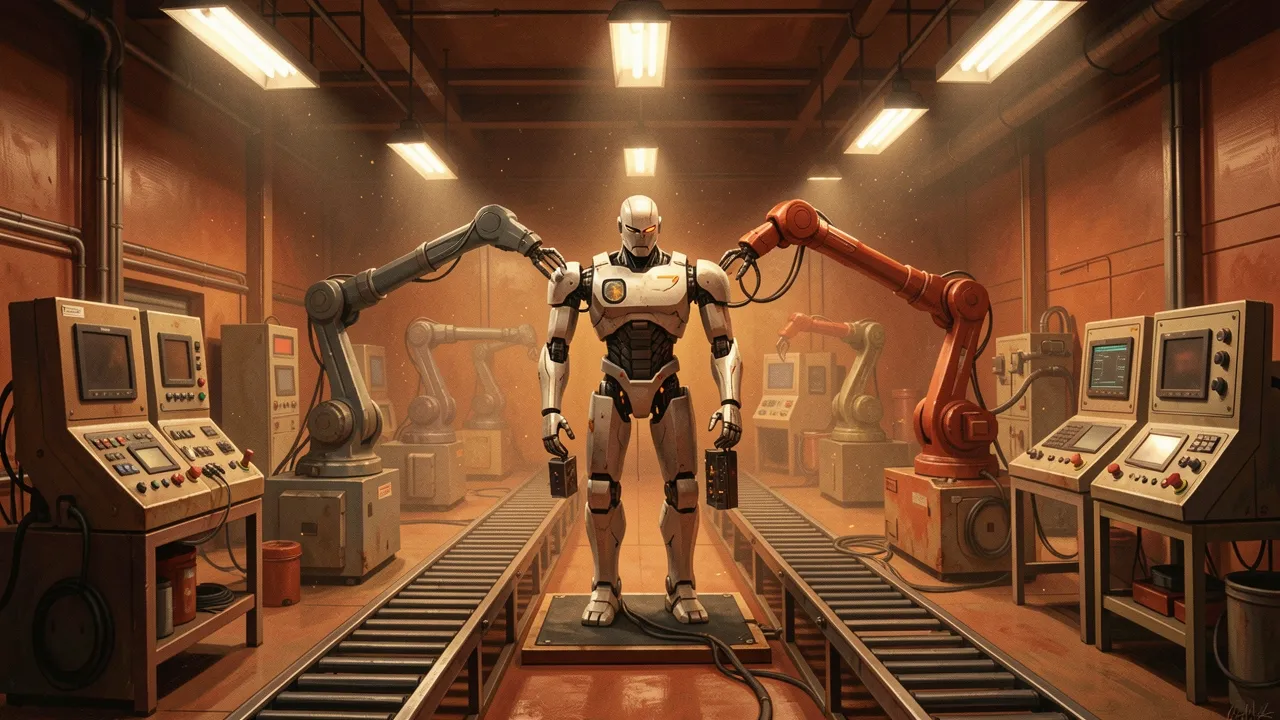
Figure AI hit a manufacturing milestone this month that signals something concrete: one humanoid robot rolling off the line every hour. Not a prototype. Not a concept video. Actual production at scale.
That's the headline from April's robotics roundup, but it's just one thread in a month that saw major funding rounds, patent disputes heating up, and new hardware launches across the sector. If you're tracking where robotics is heading - or building in this space - here's what mattered.
Production Speed Becomes the Competitive Edge
Figure's announcement isn't just about volume. It's about what volume enables: faster iteration, real-world testing at scale, and a path to economics that actually work. When you're producing one robot an hour, you're no longer optimising for perfect demos. You're optimising for reliability, serviceability, and cost.
That shift matters. Robotics has always been bottlenecked by manufacturing speed - you can design a brilliant system, but if you can't build enough units to test it in the wild, you're still guessing. Figure just shortened that feedback loop significantly.
For business owners watching this space: we're entering the phase where humanoid robots stop being research curiosities and start becoming... infrastructure. Not everywhere, not yet. But in controlled environments - warehouses, factories, fulfilment centres - the maths is starting to work.
Funding Follows the Hardware
Pudu Robotics raised $150 million this month. That's substantial capital flowing into a company known for service robots - the kind you see delivering food in restaurants or handling logistics in hotels. The money signals confidence that practical, deployed robotics can generate returns, not just headlines.
The pattern here is clear: investors are backing companies with products in the field, not just on YouTube. Pudu has thousands of robots deployed globally. That installed base is data, feedback, and proof of concept rolled into one. Compare that to the wave of humanoid startups with impressive demos but zero deployments - the funding landscape is rewarding operational track records.
For builders: if you're developing robotics hardware, your pitch needs deployment numbers, not just technical specs. Show where your robots are working, how often they fail, and what you learned from the failures. That's the narrative investors are listening for now.
Patent Disputes Heat Up as Stakes Rise
Teradyne filed a patent infringement suit against Elite Robots this month. The details matter less than the trend: as robotics becomes commercially viable, intellectual property becomes a battleground. We've seen this pattern in every tech sector that matures - mobile, semiconductors, software platforms. First comes innovation, then comes litigation.
For anyone building in robotics, this is a reminder to take IP seriously early. Document your development process. File provisionals when you solve novel problems. And if you're using components or software from established players, understand the licensing terms thoroughly. The grace period where everyone was too busy building to care about patents is ending.
New Hardware: Autonomy Meets Accessibility
Two product launches caught attention this month. Locus Array shipped autonomous picking systems - robots that can identify, grasp, and move objects in warehouse environments without human guidance. That's significant because picking has been one of the hardest problems in logistics automation. Human hands are still better than robot grippers at handling variety and unpredictability. Locus is betting that vision systems and adaptive gripping can close that gap.
ABB launched the PoWa cobot family - collaborative robots designed to work safely alongside humans. The "cobot" category has been around for years, but ABB's entry signals something: the big industrial players are taking collaborative robotics seriously. When a company known for heavy industrial automation starts building machines designed to share workspace with people, it suggests they see a market there.
For business owners: cobots are worth watching if you run operations that mix human skill with repetitive tasks. The value proposition isn't replacing people - it's augmenting them. A welder who doesn't have to lift heavy parts all day can focus on precision. A packaging line worker who doesn't have to palletise boxes can focus on quality control. That's where cobots deliver ROI.
What This Month Tells Us
April's robotics news shows a sector moving from research to production, from demos to deployment, from prototypes to products. The companies getting funded and attention are the ones with robots in the field, learning from real-world use. The legal battles are starting because there's actual money at stake now. And the hardware launches are focused on practical problems - picking, collaboration, production speed - not science fiction scenarios.
If you're building in this space, the message is: ship something people can use, get it in front of real workflows, and learn from the failures. The next wave of robotics won't be won by the most impressive demo. It'll be won by the systems that work reliably enough to scale.
For everyone else watching: robotics is no longer a "someday" technology. It's in warehouses, factories, and service environments right now, quietly becoming infrastructure. The question isn't whether robots will handle more tasks. It's which tasks, how quickly, and who builds the systems that actually work.