Today's Overview
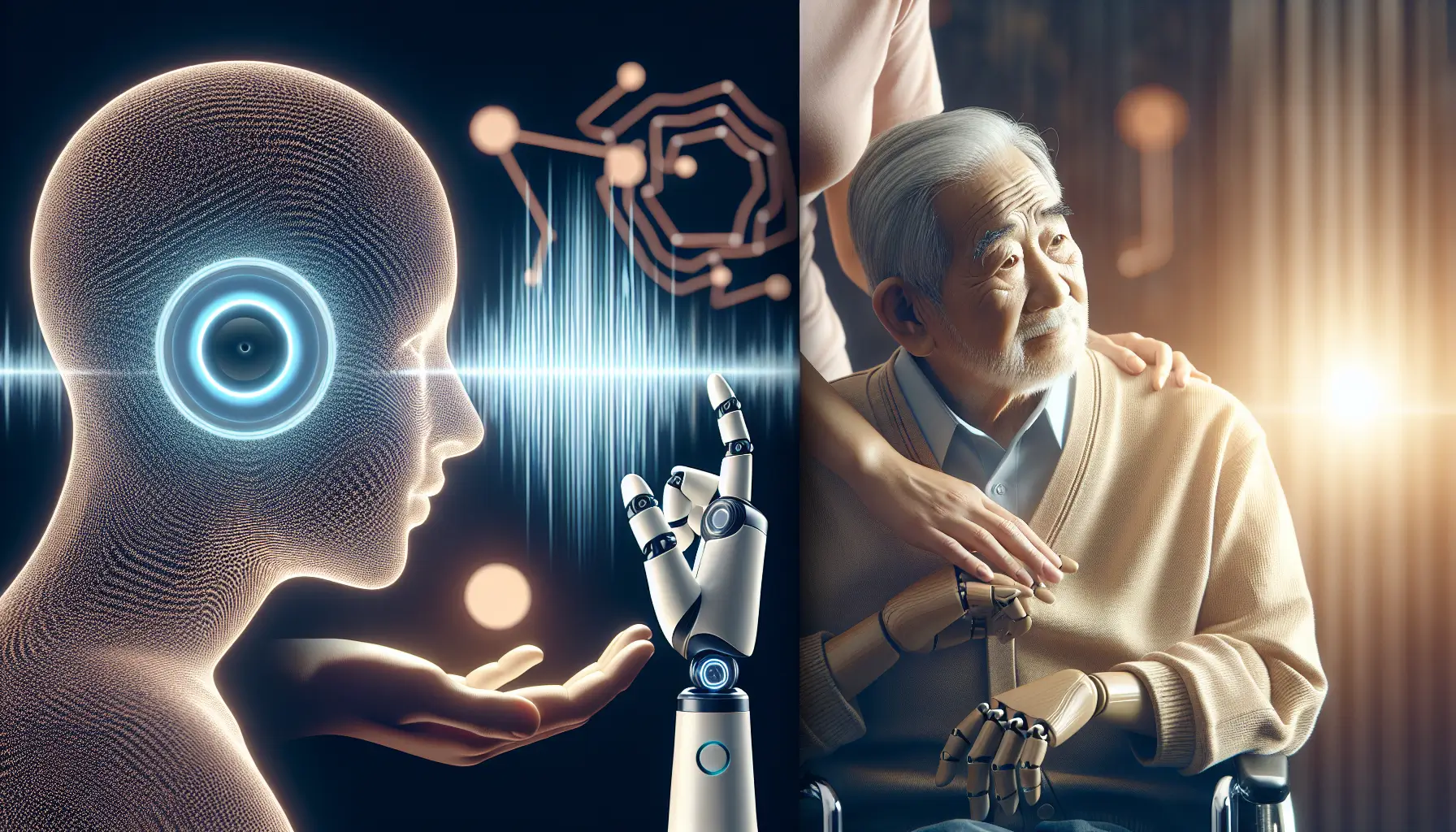
There's a quiet shift happening in how we interact with the web. Voice AI is no longer just answering questions-it's actually doing things. A developer shared why they built AnveVoice, a voice interface that navigates websites, fills forms, and executes actions on the DOM. It's the difference between "here's a link" and actually taking the user there. The practical angle matters: if you're handling 500 million new internet users who prefer voice, especially in multilingual contexts, this isn't a nice-to-have feature. It's the interface.
When to Trust AI, When to Keep Control
Meanwhile, in the builders' trenches, there's important realism emerging. A developer who's spent 100+ hours with AI coding agents published five critical things you should never delegate to AI: authentication logic, database migrations, architecture decisions, edge case testing, and legacy code refactoring. The pattern is clear. AI excels at the straightforward-boilerplate, implementation, iteration. It struggles with context, consequences, and the subtle decisions that keep systems safe. You still need human judgment on security, performance constraints, and why code is structured the way it is. AI as a junior developer, not as your architect.
Robots Learning to Care, Agents Learning to Remember
On the robotics front, Japan's Moonshot initiative is training humanoid robots for elderly care-repositioning, hygiene assistance, meal support. It's work that requires understanding force, intent, and dignity. The training involves simulation, real robots, and careful calibration. Not flashy, but essential. Meanwhile, agents themselves are evolving. The conversation around AI memory-persistent, recalled, refined-is moving from theoretical to practical. Systems that can look back, learn preferences, and adapt across sessions are becoming the norm, not the exception.
The thread connecting all of this: depth matters more than breadth right now. Deep voice integration beats shallow chatbots. Carefully scoped AI agents beat over-engineered automation. Purpose-built robots beat general-purpose hype. The tools are getting smarter, but the real edge is in knowing exactly what to ask them to do, and what to keep for yourself.