Today's Overview
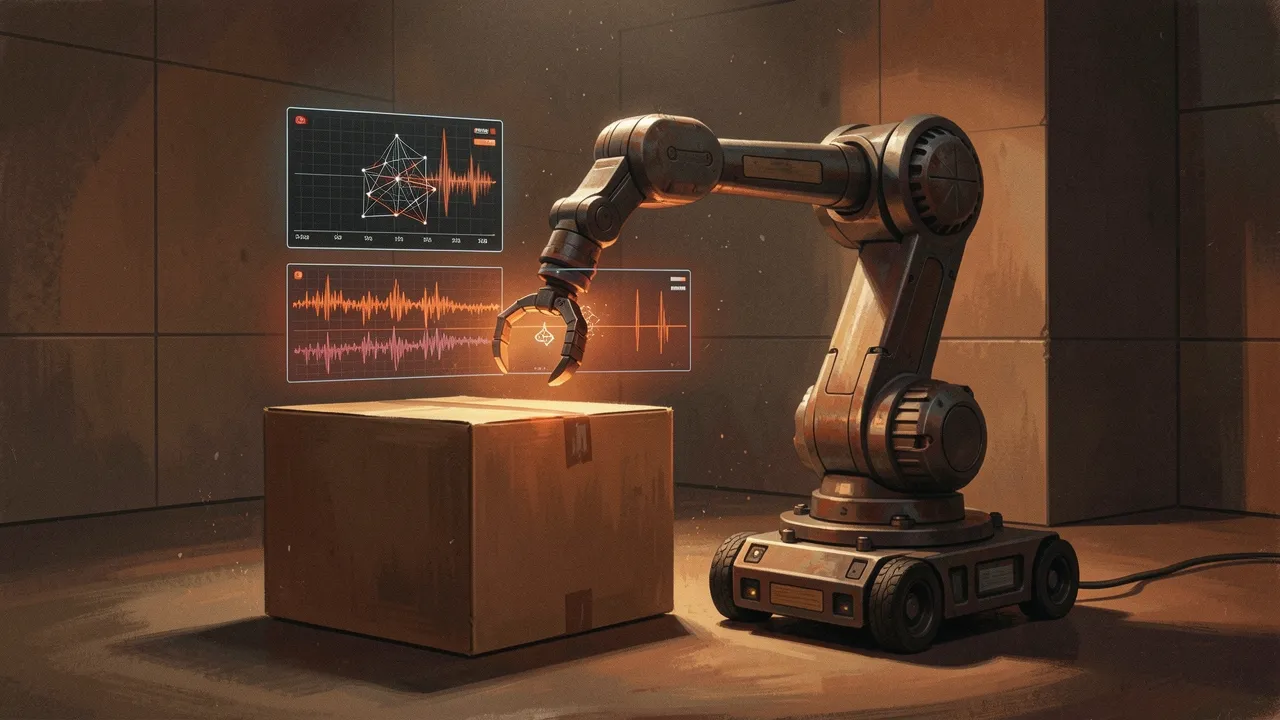
The conversation around physical AI is moving away from traditional robotics data collection and toward video-based learning. Rhoda AI's approach using direct video action models lets robots learn from internet video rather than hand-collecting thousands of annotated demonstrations. This matters because data has been the bottleneck-collecting, labeling, and validating sensor data for robots is expensive and slow. Using video from the public internet solves that problem at scale, but it requires rethinking how we train for real-world reliability.
Voice Becomes an Interface, Not Just an Output
OpenAI's GPT-Realtime-2 changes what voice agents can do. Real-time transcription, translation, and action-taking while someone is speaking means voice becomes a genuine interaction layer, not just text-to-speech bolted onto a chatbot. This is significant for robotics and field work where keyboards aren't practical. A technician on a construction site or a nurse in a hospital can now give commands mid-sentence, with the system understanding context and responding naturally.
Computation Moves to the Device
The architecture question that matters right now: why send everything to the cloud? TinyML on microcontrollers and the broader shift to edge inference changes the economics. Local processing reduces latency, saves bandwidth costs, preserves privacy, and keeps systems running during network outages. For robotics, this is crucial-a warehouse robot can't wait for API round-trips to make decisions. The practical challenge isn't fitting small models onto chips anymore; it's managing model updates, handling real-world sensor drift, and keeping the local inference reliable over years of operation.
What's interesting is how these three threads connect: robots learning from video data, talking to humans in real-time, and thinking locally without depending on cloud calls. Each piece unlocks something the others needed. A robot that learns from video can start work faster. Real-time voice agents don't work well if latency matters. And edge inference fails if your model degrades in the field.
The infrastructure is still catching up-battery technology, inference stacks, model versioning for edge deployment-but the direction is clear. Companies like Nyobolt are raising significant capital to solve the power problem for mobile robots running 24/7. The economic case for physical AI only works if the machines can actually operate autonomously, which means all three pieces have to work.