Today's Overview
Three separate things happened this week that each deserve attention, but together they paint a picture of AI moving from demos into actual work.
Humanoid Robots Are Now Running Production Lines
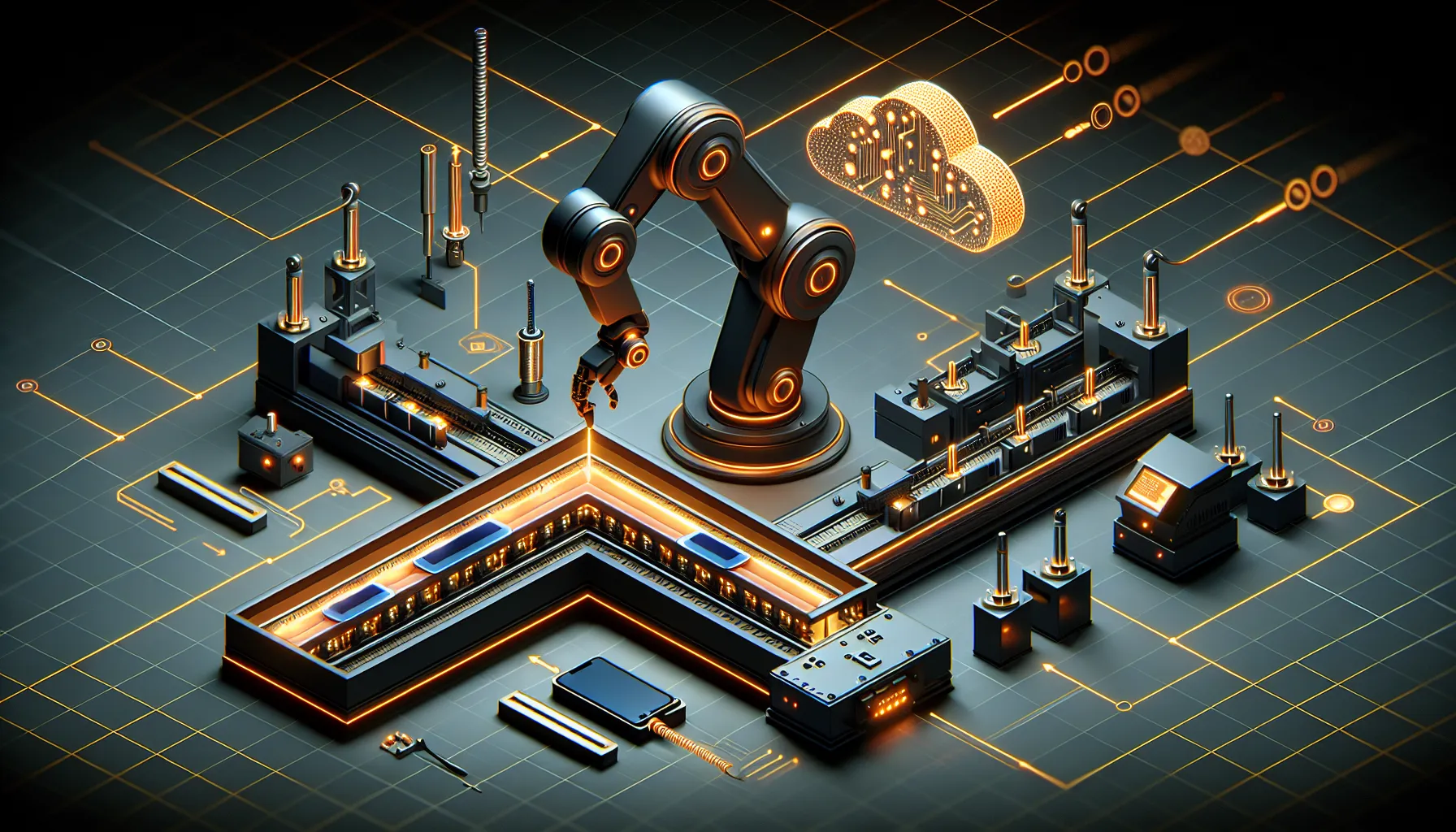
Siemens tested a humanoid robot called HMND 01 Alpha in its electronics factory in Germany, and it did what the job required: picked tablets off conveyors, placed them in test fixtures, sorted the results. 310 units per hour. 99% success rate. Twenty-four hours to integration. This isn't a proof of concept anymore-it's a data point. AGIBOT reported the same pattern from a different angle: their G2 robots are now in Longcheer's tablet production lines, with plans to deploy 100 units by Q3. The cycle time is 19-20 seconds per unit. Uptime over 140 hours of continuous operation. These aren't impressive compared to theoretical maximums. They're impressive compared to what happened before: nothing worked at production speed.
Design Tools Stop Being Separate Products
Anthropic launched Claude Design this week, powered by Claude Opus 4.7. You describe what you want in plain language. The tool generates interactive prototypes, slides, pitch decks-finished, editable, exportable. It exports to Canva, PDF, PPTX, or HTML. More importantly, it has a handoff bundle that passes the design directly to Claude Code for implementation. This collapses a week-long cycle (design → review → handoff → implementation) into one continuous conversation. The market reacted sharply: Figma's stock dropped immediately. Not because Claude Design replaces Figma, but because the equation has flipped. Instead of AI being bolted onto design tools, design is now a feature inside an AI assistant. That's a different business.
Developers Are Getting Smarter About AI Code Quality
Two practical guides landed this week. One breaks down six specific rules for Cursor (the AI-powered editor) to stop generating bad React code: named event handlers instead of anonymous functions, CSS modules instead of inline styles, one component per file, typed props, explicit effect dependencies, proper state handling. The other explains how GitHub Copilot instructions work-a simple markdown file in your repo that silently enforces your team's standards without anyone asking twice. Neither is significant. Both are the difference between code that looks right and code that survives six months in production.
The pattern here is maturity. Robots aren't getting smarter this month-they're getting reliable. Design tools aren't getting more powerful-they're getting faster to use. Code generation isn't becoming sentient-it's becoming predictable. That's less exciting than breakthrough announcements, but it's the only thing that matters to people running actual operations.