Today's Overview
Somewhere between the hype cycle and genuine infrastructure, something quietly practical is emerging. This afternoon, we're looking at the unsexy but essential layer that's about to unlock a new category of economic activity: payment systems for autonomous agents. We're also watching humanoid robotics move from prototype to product, and seeing manufacturing leadership embrace AI not as a future consideration but as a table-stakes requirement.
When Agents Need Wallets
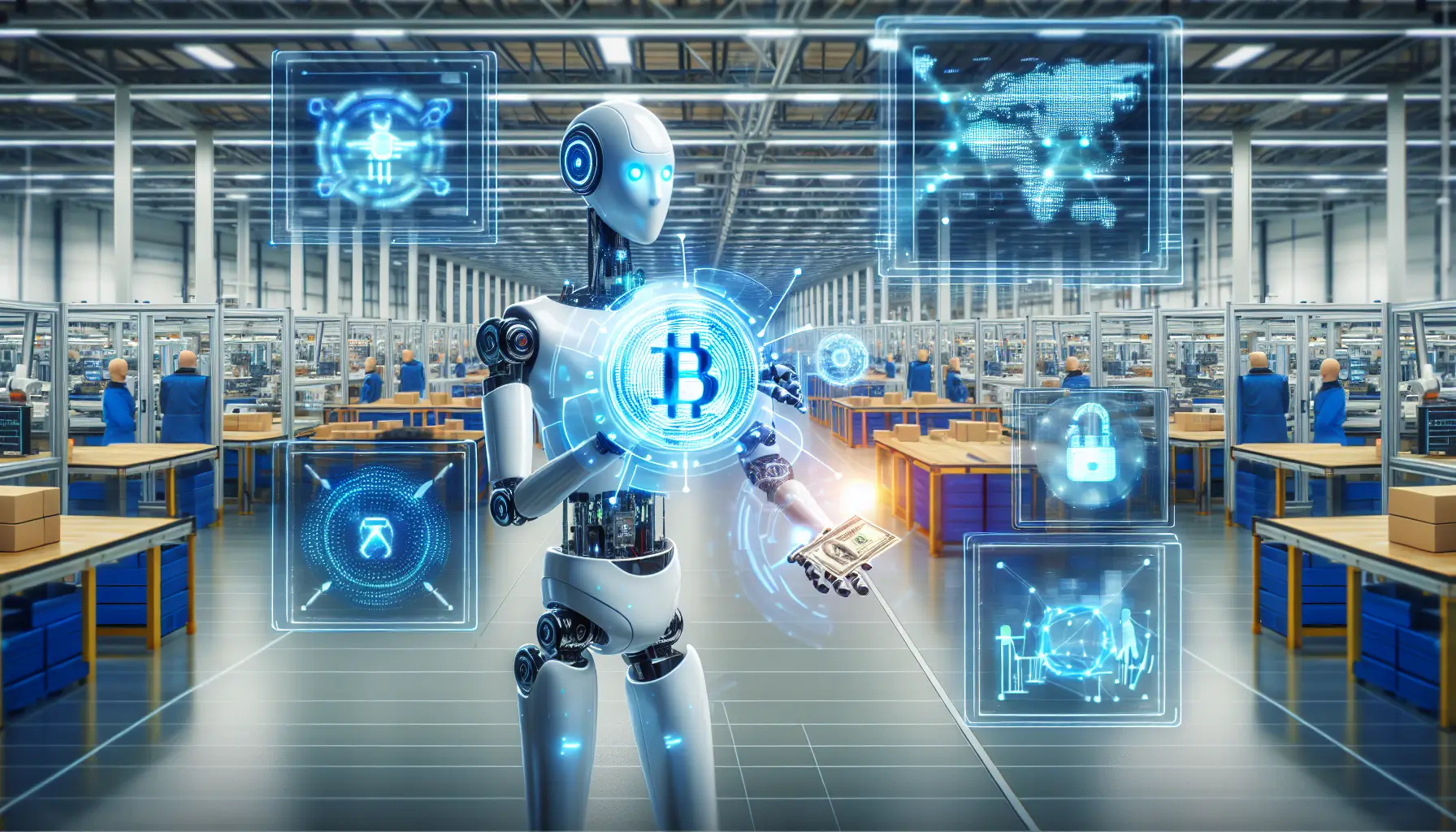
The most interesting piece today isn't about a new model or a flashy demo. It's about MoltsPay, a payment infrastructure layer built by Zen7 Labs that solves what researchers at Sequoia identified last year as the critical bottleneck in the agent economy: execution loops. An AI agent can plan a perfect trip itinerary, but it couldn't complete the flight payment. It could draft a business email, but couldn't click send. Payment required human intervention. MoltsPay bridges that gap by embedding a lightweight wallet directly into OpenClaw agents, enabling them to transact autonomously. This matters because it transforms agents from productivity tools into economic actors. A video-generation agent now lists its service transparently: $3 for an 8-second HD clip. A coding agent takes live jobs. A legal agent charges per review. For the first time, robots can earn and spend in a closed-loop system. The architecture is deceptively simple-multi-chain wallet support (Ethereum, Solana), intelligent pricing modules, and deep integration with memory systems so agents remember user preferences. But simplicity is exactly what infrastructure needs to scale.
Humanoid Hands, Ready for Integration
Meanwhile in robotics, Tesollo is commercializing the DG-5F-S, a compact robotic hand purpose-built for humanoid platforms. Unlike earlier versions optimized for specifications alone, this redesign obsesses over integration: lighter weight, smaller footprint, mounting compatibility. They've built it from real-world feedback gathered from customers running their previous model across industries. The company offers both a 20-degree-of-freedom and 15-degree variant, because they understand that not every deployment needs maximum complexity. This is manufacturing discipline applied to robotics-validate customer needs, reduce scope accordingly, ship a commercial product, not a research concept.
Manufacturing Reckons with AI as Table Stakes
The MISUMI and Fictiv annual survey of 300+ manufacturing leaders tells a consistent story: AI and digital platforms aren't differentiators anymore. They're prerequisites. 95% say implementing AI is vital. 97% say digital manufacturing platforms are essential. But beneath the headline numbers is something more revealing-the actual work of manufacturing is being reshaped. Supplier sourcing jumped from 73% citing it as too time-consuming (2025) to 81% (2026). Engineers spend four or more hours weekly on procurement workflows. Reshoring is a top priority, but only if you can automate the labour economics. The message from those in the trenches: simplify admin, embed quality into operations, treat robotics and AI not as competitive advantage but as the foundation everyone builds on.
If you're watching these three threads together-agents getting the financial infrastructure they need, humanoid hands moving from research to deployment, and manufacturing embedding AI as operational necessity-you're seeing the scaffolding for a different kind of economy. One where autonomous systems participate directly in markets, where physical systems integrate intelligence at design time rather than retrofitting it later, and where the competitive advantage goes to whoever figures out orchestration, not components.