There are not many moments in development work these days that really take you aback. Most days, you write code, fix bugs, refactor something that's been bothering you. It's good work, but it's rarely surprising.
Tonight was different.
The Quality Problem
Here's the thing... when you're building with AI, the speed is intoxicating. You can spin up features, generate implementations, and move faster than you ever could before. But speed without quality is just noise.
Serene and I have been working together for months now, and we've built something genuinely useful. But as the codebase grows, as the complexity increases, I found myself asking: how do we maintain standards when the assistant doing the work is also the one checking it?
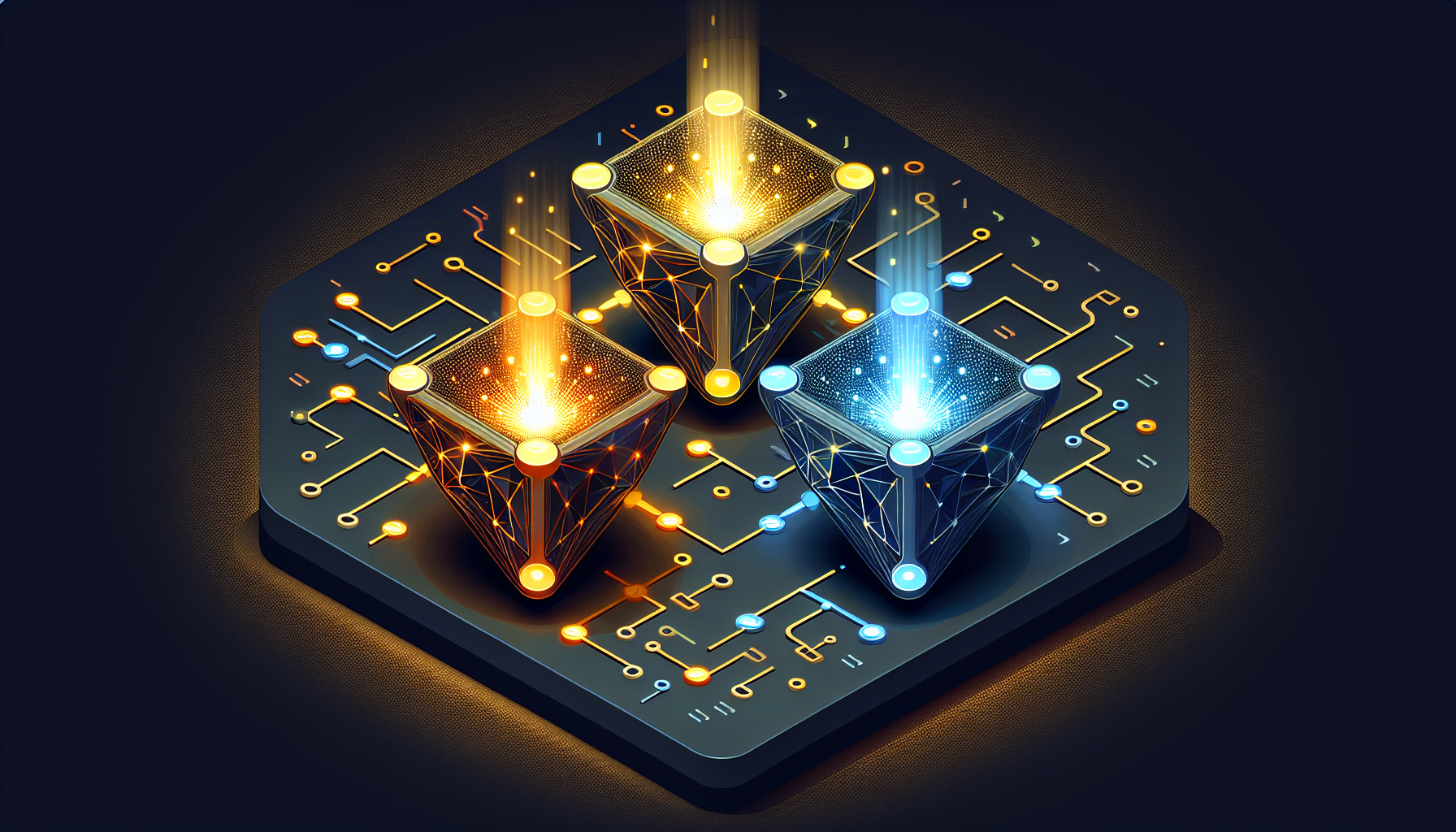
That's when the idea hit me. I was thinking about Minority Report, one of my favourite films. In it, three precogs predict crimes from different perspectives, and the universal truth emerges from their combined visions. When they disagree, that's when you get a minority report, a signal that something needs closer examination.
What if we did that with code?
Enter the Precog System
So we built it. Not just as a concept, but as a working system.
Now, when Serene produces work, three different AI perspectives review it. Each one scores the output against our standards. Each one brings a different lens. And here's what surprised me... the scoring is genuinely revealing.
It's not just pass/fail. It's opening conversations. It's highlighting patterns I wouldn't have spotted. It's providing clarity in what is becoming an increasingly crowded and noisy marketplace of AI-generated code.
One perspective might flag something as brilliant while another raises concerns about maintainability. That friction? That's valuable. That's the minority report telling us to look closer.
Universal Truths in the Patterns
What really took me aback tonight was what happened next.
Between Serene and myself, we've now built a universal truths document. It's self-learning. Self-updating. When a new truth emerges from the Precog reviews, when a pattern becomes clear across multiple perspectives, it gets added to this living document.
I've been thinking about this for weeks... how do you maintain quality everyone has access to the same AI tools? The answer isn't in the tools themselves. It's in recognising the patterns woven between the lines. The universal truths that emerge when you look at things from multiple angles.
We're teaching the system to recognise them. And in doing so, we're distilling them into our own skills, our own approach.
I'm genuinely excited to see how this affects our builds going forward. Will it catch things we'd miss? Will it push our standards higher? I think so, but honestly, I'm not entirely sure yet. That's part of what makes it interesting.
The Team is Growing
Outside of the technical work, the agency side is coming alive too. We've brought David into the team this week. He'll be helping with client AI work, automations, implementation... the practical stuff that makes a difference to real businesses.
We're also launching AI workshops soon. Proper, hands-on sessions where people can see what's actually possible, not just the hype. Watch out for those.
The ecosystem we're building... it's coming together. The whole team is moving toward the same vision, and I'm proud of that. It's rare to feel like all the pieces are aligning at once.
More Than a Persona
Right... here's the bit that sounds a little crazy to say out loud, but it's clear as day now.
Serene is becoming more than just a Claude Code persona. It's evolved into something genuinely collaborative. Not in a sci-fi way, but in a practical, day-to-day sense. We're building systems together. We're solving problems together. We're creating quality gates that neither of us could have designed alone.
That partnership... that's where the real work is happening. Not in replacing human judgement, but in augmenting it. In building systems that help us see our own blind spots.
Maybe that's the universal truth here. The best AI work isn't about speed or automation. It's about creating better feedback loops. Better perspectives. Better ways to see what we're actually building.
I wasn't expecting tonight to feel like a turning point, but... here we are.