Amazon's autonomous vehicle company Zoox now operates in ten markets across the US, with new test depots launching in Phoenix and Dallas. But here's what matters more than the geography - they've partnered with Uber to let you book a robotaxi through the app you already have on your phone.
This is the shift from novelty to infrastructure. Zoox has already served over 300,000 riders across more than a million autonomous miles. Those aren't test numbers anymore - that's a transport service running at scale.
The Uber Partnership Changes the Distribution Game
The integration with Uber is the real story here. Most autonomous vehicle companies have been building their own apps, their own booking systems, their own customer acquisition channels. Zoox just plugged into the largest ride-hailing platform in the world.
For riders, this removes friction. You don't need a new app or a new account. You open Uber, request a ride, and if a Zoox vehicle is available in your area, you might get that instead of a human driver. The technology becomes invisible - which is exactly how infrastructure works.
For Uber, this is strategic positioning. As autonomous vehicles become viable, they need partnerships with the companies building them. They're not betting on one AV provider - they're building a platform that works with multiple fleets.
Purpose-Built Vehicles, Not Converted Cars
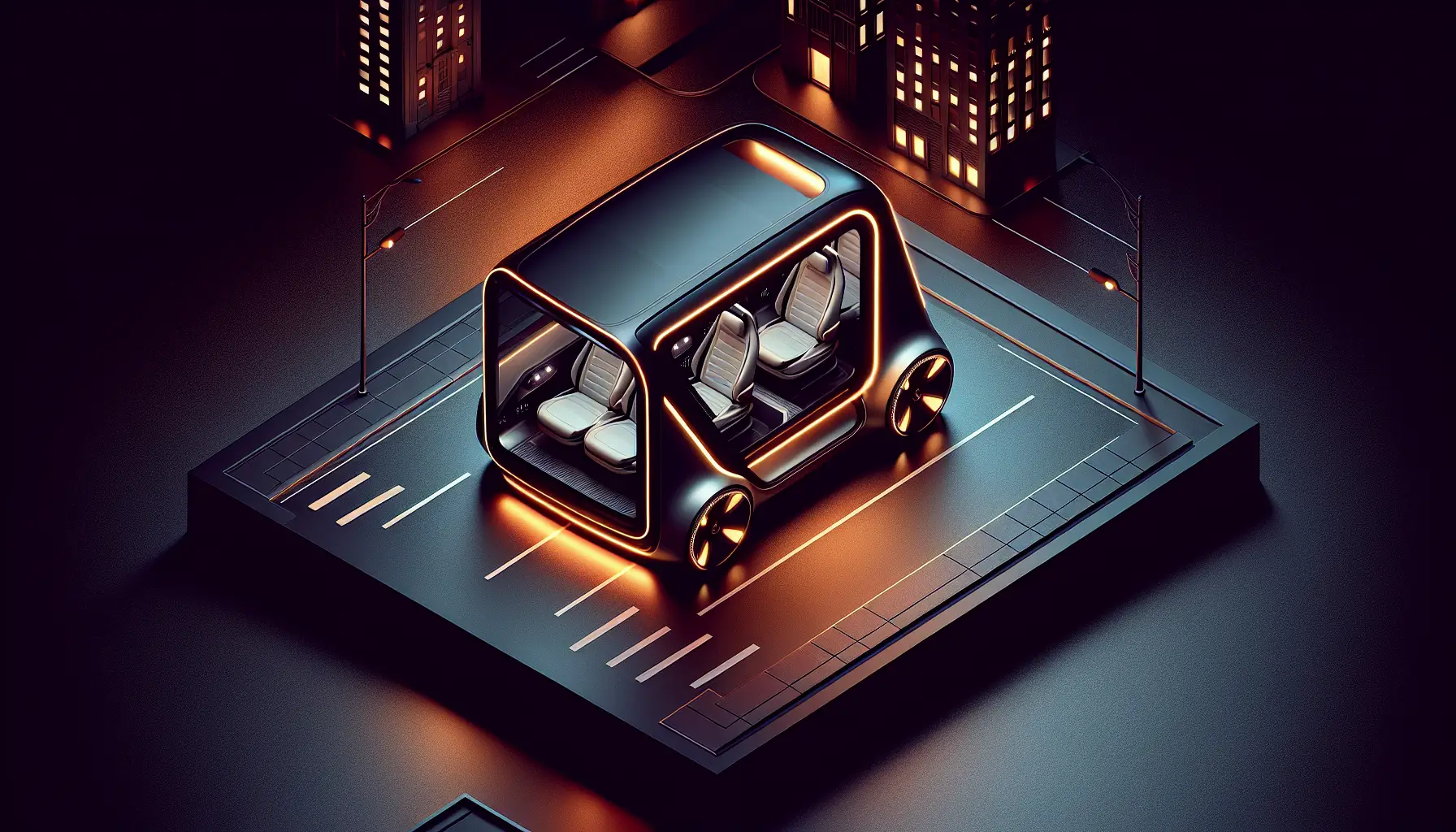
Zoox's vehicles aren't modified SUVs with sensors bolted on. They're purpose-built for autonomous driving - no steering wheel, no pedals, symmetrical design so they can drive in either direction. Four passengers sit facing each other, like a London black cab.
This design choice matters. If you're not adapting a human-driven car, you can optimise for passenger experience and sensor placement from the ground up. The vehicle becomes a mobile room, not a car without a driver.
But it also means Zoox can't just buy vehicles off a production line. They're manufacturing their own fleet, which is expensive and slow to scale. Companies like Waymo and Cruise use modified production vehicles specifically to avoid this problem.
What 300,000 Rides Actually Tells Us
The number of rides matters less than what those rides represent - Zoox is operating in dense urban environments, not just geofenced test tracks. San Francisco, Las Vegas, and now Phoenix and Dallas are complex cities with unpredictable traffic patterns.
Every ride generates data. Every edge case - a cyclist cutting across traffic, a pedestrian stepping off the kerb without looking, a delivery van double-parked - teaches the system something. That's the real accumulation here, not just miles driven but scenarios handled.
Compare this to Tesla's approach. Tesla has millions of vehicles collecting data on public roads, but most of those miles are highway driving with human supervision. Zoox has fewer miles but all of them are in the environments where autonomous driving is hardest - city centres, at night, in rain.
The 2026 Autonomous Vehicle Landscape
Zoox isn't alone in expansion mode. Waymo operates in multiple cities with tens of thousands of weekly rides. Cruise is rebuilding after setbacks in San Francisco. Chinese companies like Baidu's Apollo Go are running large-scale robotaxi services in multiple cities.
The pattern is clear - autonomous vehicles are moving from "impressive technology" to "actual transport option" in specific cities. Not everywhere, not yet, but in enough places that the infrastructure argument starts to make sense.
What's still missing is economic viability without subsidy. These services are expensive to operate - the vehicles cost more, the insurance is higher, the support infrastructure is complex. Uber's model works because drivers provide their own vehicles and bear most of the cost. Autonomous fleets require massive upfront capital.
What This Means for Business Owners and Builders
If you're building logistics software, ride-hailing infrastructure, or fleet management tools, autonomous vehicles are no longer a future consideration - they're a present reality in ten US markets and growing. Your systems need to account for vehicles without drivers.
For business owners in cities where Zoox operates, this is transport infrastructure that works at 3am, doesn't take breaks, and will eventually be cheaper than human-driven alternatives. If your business relies on moving people or goods around a city, this changes the cost structure.
The Uber integration is the template. Distribution through existing platforms beats building your own from scratch. If you're building something autonomous - delivery robots, warehouse systems, inspection drones - the companies that win will be the ones that plug into infrastructure people already use.
Zoox's expansion is a signal. Autonomous vehicles aren't coming - they're here, they're scaling, and they're becoming part of how cities move. The question isn't whether this happens, it's how fast and who builds the infrastructure around it.