AI company revenues are breaking records. Investment is pouring in. And public resistance is accelerating faster than either of those numbers.
Azeem Azhar's analysis this week asks the right question: why is the backlash growing when the technology is delivering exactly what the industry promised?
The answer comes down to visibility. People can see the costs. They can't see the benefits yet.
The Infrastructure Problem
Globalisation happened at a distance. Factories closed in one country, opened in another. The displaced workers saw the consequences, but most people experienced it as cheaper goods and didn't connect the dots until much later.
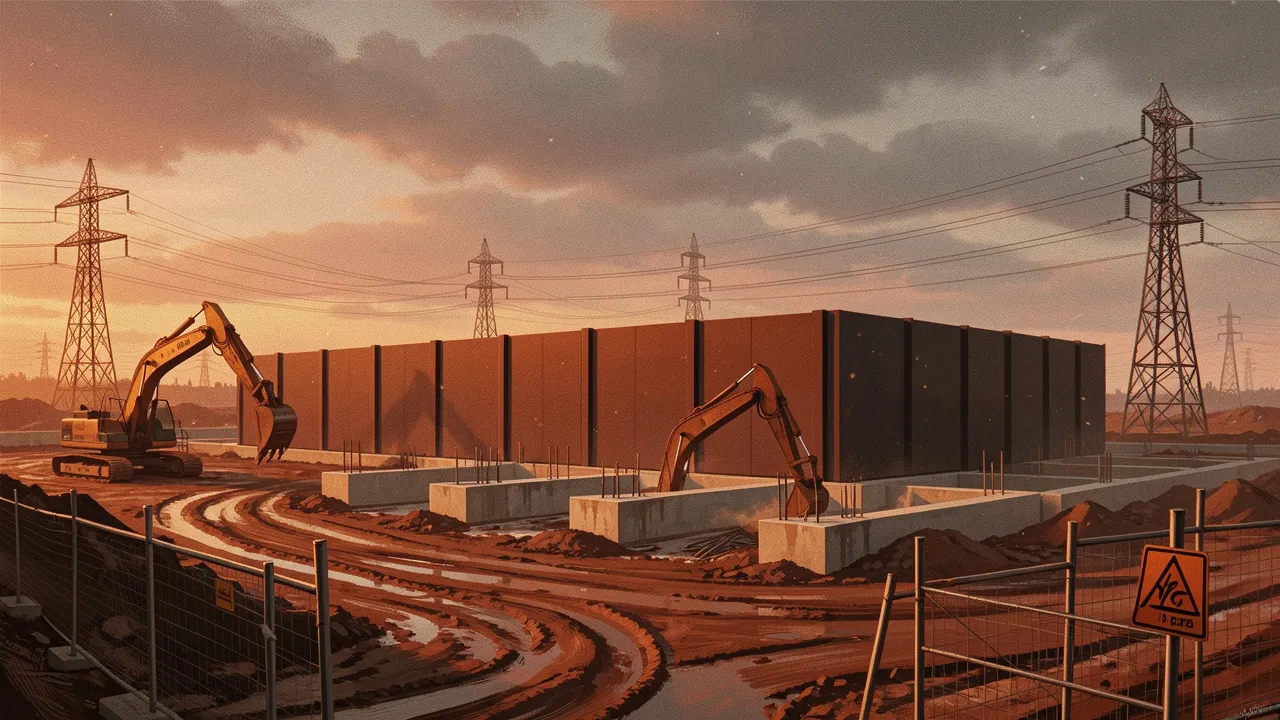
AI is different. The infrastructure is local and loud. Data centres need water - millions of litres of it. They need power - entire grids' worth. They need construction - roads dug up, land cleared, noise and disruption that people living nearby can't ignore.
A town in rural Ireland gets planning permission for a massive data centre. Local water supplies run muddy. Energy prices climb. Residents see trucks, cranes, and construction barriers for months. Then they're told it's for AI training - a technology they don't use and can't touch.
That's a veto point. And it's happening in communities across the UK, Europe, and North America. People have a say in planning decisions. They're using it.
Job Losses You Can Name
The second visibility problem is employment. Globalisation automated jobs over decades. AI is doing it faster, and the companies are announcing it.
Customer service teams replaced by chatbots. Copywriters replaced by language models. Illustrators competing with image generators. These aren't abstract economic shifts - they're people with names and families losing work in real time.
The backlash isn't irrational. It's a direct response to visible harm without visible compensation. The person whose job just got automated doesn't care that AI will create new roles in five years. They care about paying rent next month.
The Promise is Distant
AI companies promise transformation - better healthcare, climate solutions, scientific breakthroughs. All true. All coming. But not yet.
The person in the town with the muddy water and the data centre construction isn't experiencing any of those benefits. They're experiencing the cost. So when they're asked to accept more disruption for a future payoff they can't see, the rational answer is no.
This is the political problem the AI industry hasn't solved. Globalisation didn't give people a vote until it was too late. AI is giving them one now, at the planning stage, when infrastructure projects need approval. And they're voting against it.
What This Means for the Industry
Revenue growth doesn't matter if you can't build the infrastructure to support it. If data centres get blocked at the planning stage, if energy access becomes politically toxic, if water use becomes a flashpoint, the industry has a constraint it didn't anticipate.
The fix isn't better PR. It's better distribution of benefits. If a town hosts a data centre, what does that town get in return? Cheaper energy? Free access to AI tools for local businesses? Jobs that aren't just construction, but long-term skilled positions?
Right now, the costs are local and the benefits are global. That's an unstable equation. Communities will keep saying no until the deal changes.
The backlash isn't slowing down. It's growing because the gap between visible costs and visible benefits is widening. AI companies can either address that gap or watch their expansion plans get blocked one planning committee at a time.