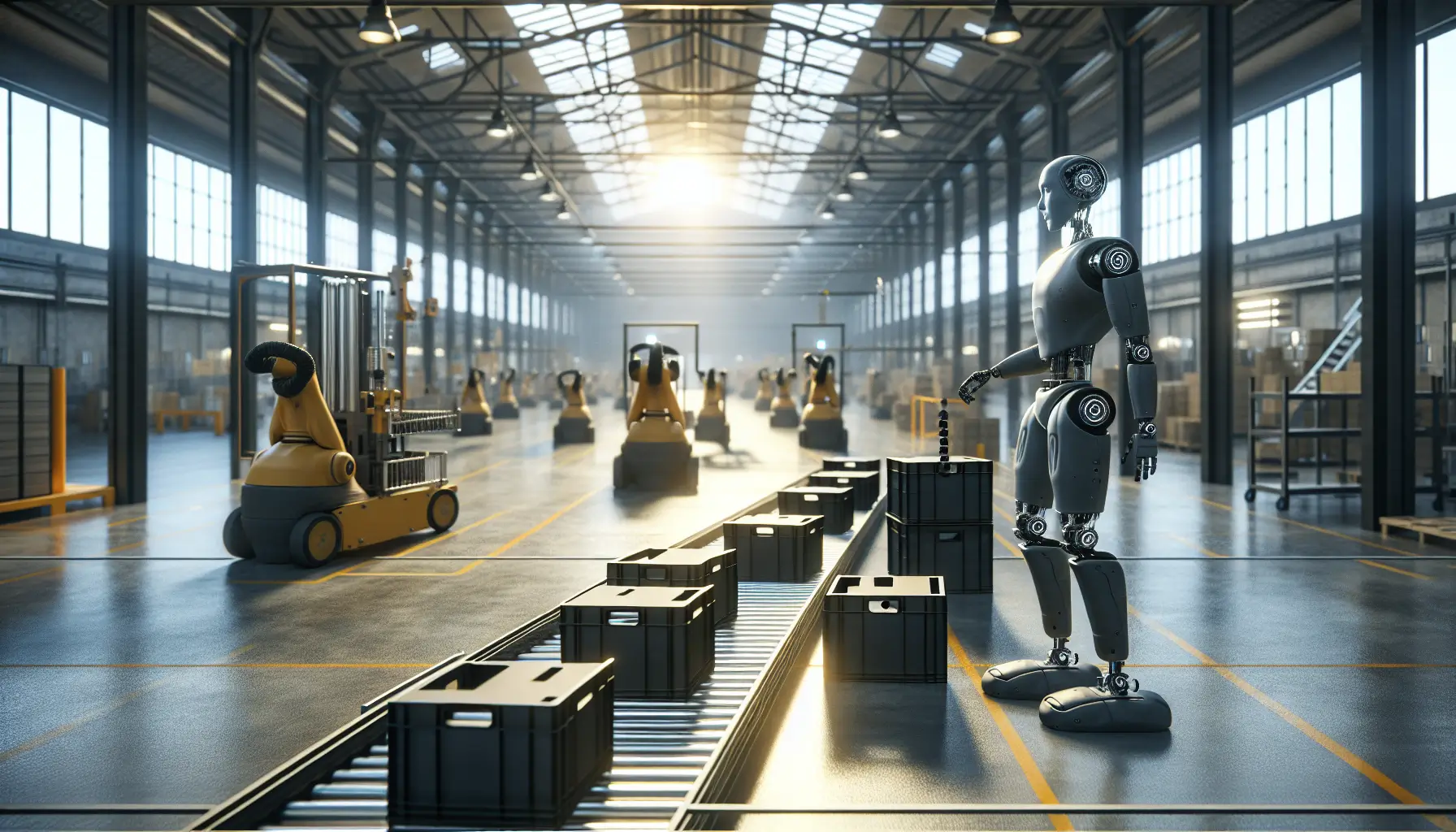
Toyota Motor Manufacturing Canada isn't making a song and dance about it, but they've just made a decision that says more than any press release could: they're tripling their deployment of Agility Robotics' Digit humanoid robots from 3 to 10 units.
This matters because it's the opposite of a pilot programme. When a company runs a pilot, they're testing. When they triple their investment, they've stopped testing and started using.
What Changed Their Mind
The robots are handling tote loading at Toyota's Ontario facilities - moving heavy containers of parts around the factory floor. It's not glamorous work, but it's exactly the kind of repetitive, physically demanding task that makes sense for automation.
What's interesting is the timing. Toyota didn't rush this. They ran the pilot, watched what happened, measured the results, and then quietly expanded. No grand announcements about the future of manufacturing. Just a company that found something that works and decided to do more of it.
That's the signal. When a manufacturer like Toyota - known for careful, methodical process improvement - expands a robotics deployment, it means the business case closed. The robots aren't just functional. They're worth it.
The Humanoid Question
Digit is a humanoid robot, which means it's designed to work in spaces built for humans. That's significant because it sidesteps one of the biggest barriers to industrial automation: you don't need to redesign your facility.
Traditional industrial robots are brilliant at what they do, but they need custom setups - safety cages, specialised workstations, bespoke integration. Humanoid robots can, in theory, slot into existing workflows. They use the same doors, the same corridors, the same loading bays.
Toyota's expansion suggests that theory is holding up in practice. If the robots required extensive facility modifications, it's unlikely they'd be scaling up this quickly.
What Comes Next
The company has confirmed they're exploring additional manufacturing use cases beyond tote loading. That's the language of a business that's found a tool it trusts and is now asking: where else can we use this?
For anyone watching the robotics space, this is the pattern to watch. Not the splashy demos or the ambitious promises. The quiet expansions. The second orders. The moment a pilot becomes procurement.
Because that's when technology stops being interesting and starts being infrastructure. And infrastructure is where the real change happens - slowly, steadily, and without fanfare.
Toyota isn't betting on the future of humanoid robotics. They're using it. There's a difference.