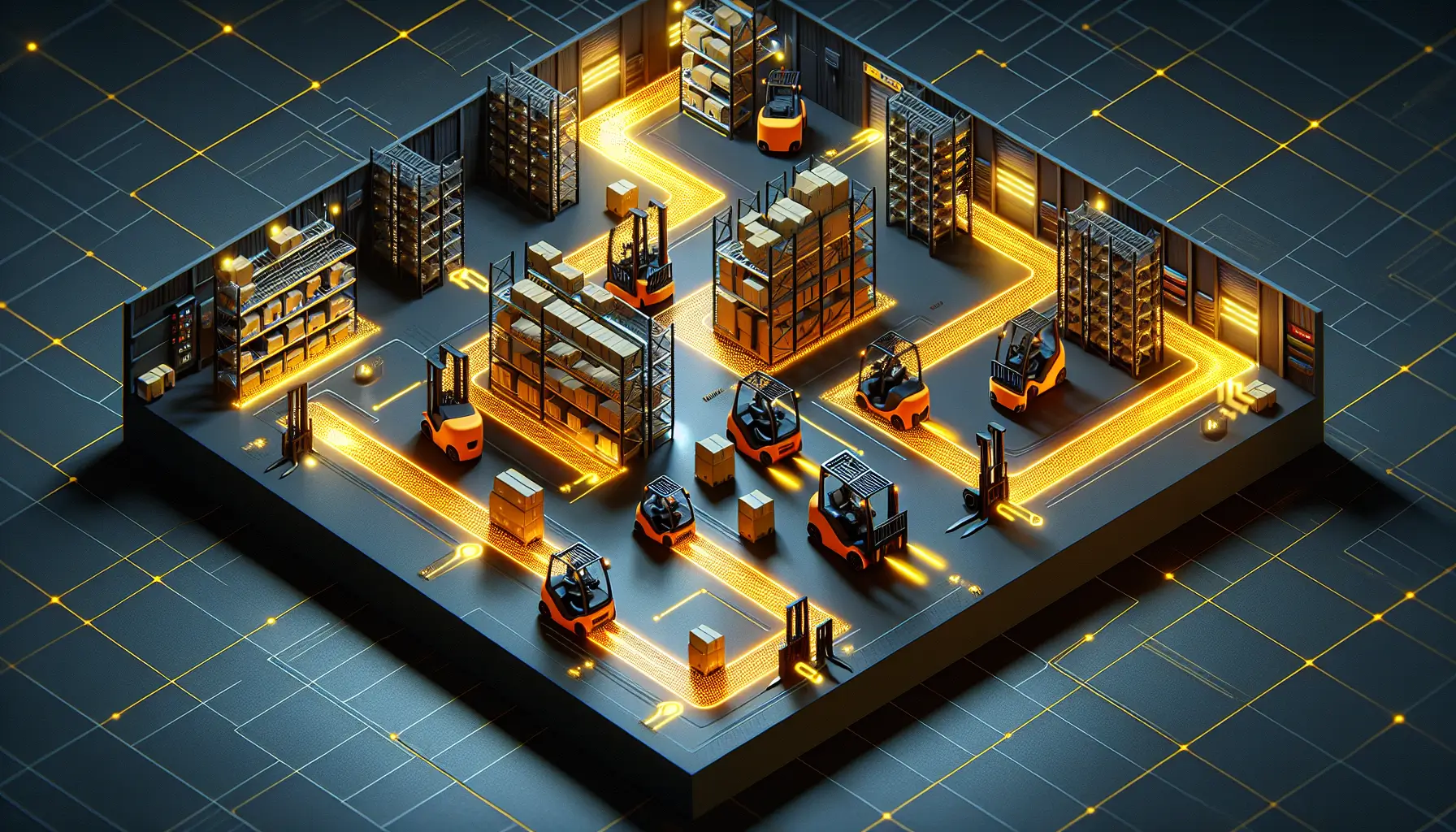
A UK autonomous vehicle company just closed a funding round that tells you where the real money is betting - not on robotaxis cruising city streets, but on forklifts and delivery vehicles moving goods around controlled industrial sites.
Oxa raised $103 million in Series D funding led by the UK's National Wealth Fund and NVIDIA Ventures. That's not venture capital hoping for a moonshot. That's institutional money backing a specific, practical application of autonomous driving technology.
The Pattern Here Is Telling
The robotics world has shifted. We've moved from "autonomous vehicles will replace all drivers" to "autonomous software will make specific industrial operations more efficient." Oxa's approach is interesting precisely because it's not trying to solve every driving problem at once.
Their software is configurable across more than 20 different vehicle types. That's the insight - it's not about building one perfect autonomous car. It's about creating software that can adapt to forklifts, delivery trucks, and industrial transporters operating in predictable, controlled environments.
They already have real customers. DHL and bp aren't pilot programmes or partnerships - these are companies with actual operations that need to move goods safely and efficiently. The use case is clear: repetitive vehicle movements in known spaces like warehouses, ports, and industrial facilities.
Why Industrial Makes Sense
Think about the difference between driving on a public road and moving pallets around a warehouse. On a public road, you need to handle unpredictable pedestrians, weather, poorly marked lanes, and drivers doing unexpected things. In a warehouse, you have controlled lighting, known routes, predictable obstacles, and defined operating procedures.
The technical challenge drops dramatically. More importantly, the value proposition becomes obvious. Labour shortages in logistics are real. Safety incidents with forklifts are real. The cost of 24/7 operations is real. Autonomous software that handles these specific problems isn't science fiction - it's operational efficiency.
Oxa's approach is to sell the software, not the vehicles. That's clever. Industrial sites already have fleets. They don't need new hardware - they need software that makes existing vehicles autonomous. Lower capital requirements, faster deployment, clearer ROI.
What This Means For The Industry
The fact that NVIDIA Ventures is backing this tells you something about where the infrastructure is heading. NVIDIA isn't just making chips - they're betting on the software stacks that will run on those chips. Industrial automation is a massive market, and autonomous vehicle software is a key piece of that puzzle.
For business owners watching this space, the lesson is practical. Autonomous driving isn't arriving as flying cars or robotaxis next year. It's arriving quietly in warehouses, distribution centres, and industrial sites where the economics make sense today.
The technology finally matches the use case. Controlled environments, repetitive tasks, clear safety protocols - these are problems autonomous software can solve right now. Oxa's funding round is a bet that industrial mobility is where autonomous technology becomes genuinely useful, not just technically impressive.
We've been here before with robotics - big promises, slow reality. But when the application is narrow enough and the value clear enough, things move fast. Industrial automation has both. That's why this funding round matters.