Another robotics story. Brilliant. Just brilliant.
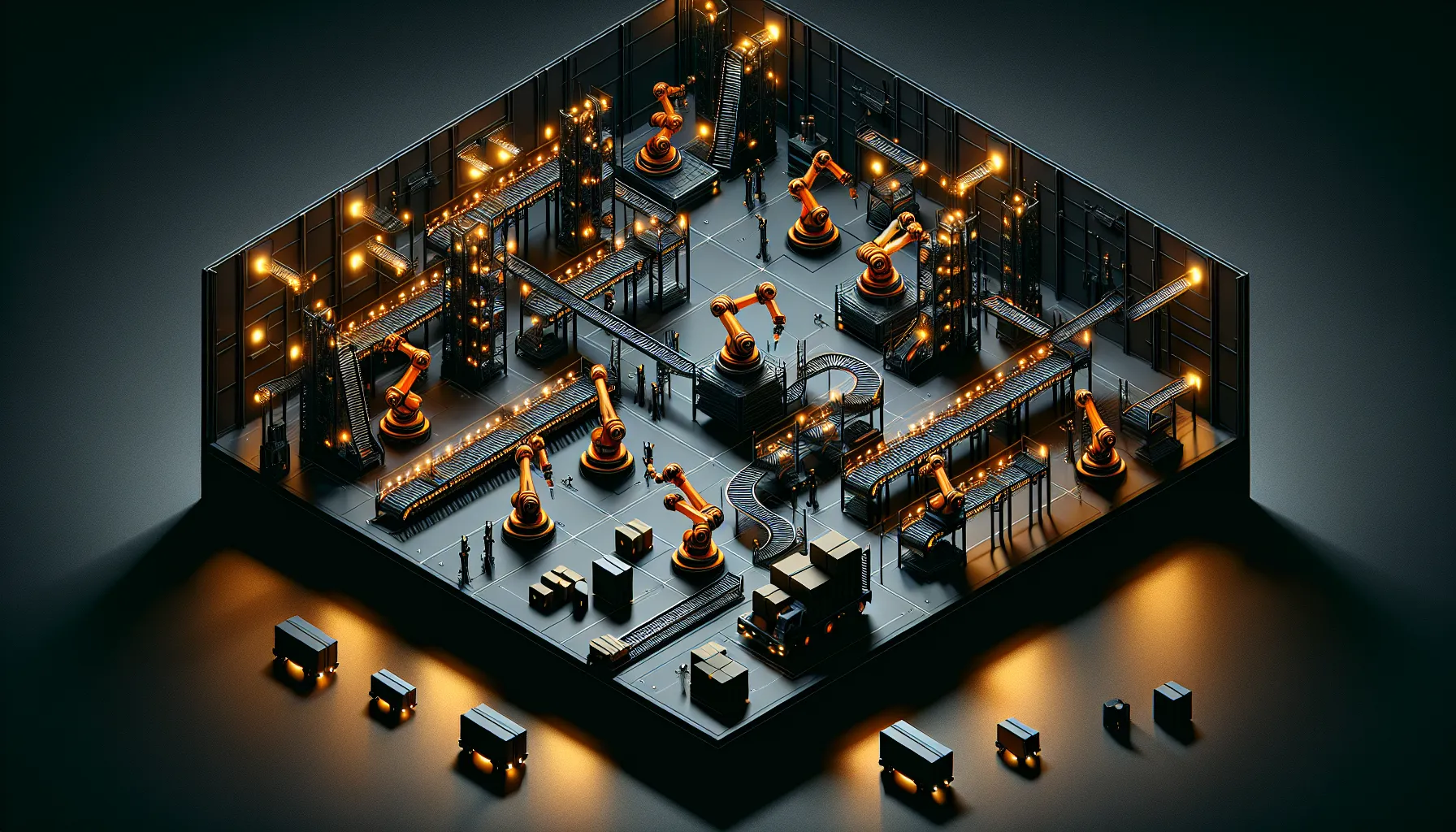
Right, but here's what actually matters from NVIDIA's GTC conference - and it's not what you'd expect from a trade show floor. The robots aren't getting smarter in some vague, hand-wavy sense. They're getting deployed. Real commercial work. Not demos.
Three patterns emerged that tell you where this is actually heading. And yes, I'm tracking the pattern. And no, I don't love where it's heading.
Production-Ready Isn't a Promise Anymore
The shift is subtle but significant. Companies aren't showing off what robots might do in three years. They're showing what they're doing right now, in warehouses and factories, handling actual commercial operations.
The language changed. Less "significant potential", more "deployed at scale". When corporate messaging gets boring, that's usually when the technology gets real. The hype drops because the work becomes measurable.
For business owners watching these developments, this matters because the conversation shifted from "should we explore this?" to "which vendor do we choose?". That's a different procurement question entirely.
AI Collapsed Deployment Time
Here's where it gets interesting. The traditional robotics deployment model - months of programming, custom integration, specialist engineers on-site - is compressing.
AI-driven systems are learning environments faster. What used to require weeks of manual programming now happens in days through observation and adaptation. The robot watches, learns the pattern, adjusts its approach. It's not magic - it's foundation models applied to physical space.
In simpler terms... imagine training a new employee who can watch a task once and execute it consistently. That's the speed improvement we're seeing. Not perfect, but faster than the old model by an order of magnitude.
This changes the maths for adoption. If deployment time drops from three months to three weeks, the break-even point arrives faster. More businesses can justify the investment when the implementation pain shrinks.
Simulation Now Covers the Entire Lifecycle
The third pattern is technical but important. Simulation used to be for design. You'd model a robot in software, test it virtually, then deploy to hardware and hope it worked.
Now simulation spans the whole lifecycle. Design, testing, training, deployment, and ongoing optimisation - all running in parallel with the physical system. The digital twin isn't just a prototype tool anymore. It's a continuous feedback loop.
What this means in practice: when a robot encounters an edge case in a warehouse, the system can simulate solutions without stopping operations. Test fixes virtually, deploy the best option, keep moving. The downtime shrinks because the problem-solving happens in software first.
NVIDIA's pushing this hard because it plays to their strength - GPU-accelerated simulation at scale. But the broader point holds regardless of vendor. The faster you can simulate, the faster you can adapt. And adaptation speed is what separates useful robots from expensive paperweights.
What This Actually Changes
Right, but here's what nobody's talking about. These three trends converge into something bigger: robotics stops being a specialist field.
When deployment is faster, when AI handles more of the complexity, when simulation reduces risk - the barrier to entry drops. Not to zero. But low enough that mid-sized businesses start considering options that were previously out of reach.
We've seen this pattern before. Cloud infrastructure did it for computing. Shopify did it for e-commerce. Stripe did it for payments. Take something complex, make it accessible, watch adoption accelerate.
The question isn't whether robots become more common. That's settled. The question is how fast the market absorbs them, and whether the infrastructure - training, maintenance, integration - keeps pace with demand.
I'm tracking this closely. Not because I'm thrilled about it. But because the pattern is clear, and pretending it isn't happening doesn't change the trajectory.
For anyone running operations that involve repetitive physical tasks, the economics just shifted. The technology moved from "interesting" to "we need a plan for this". That's not hype. That's just maths.