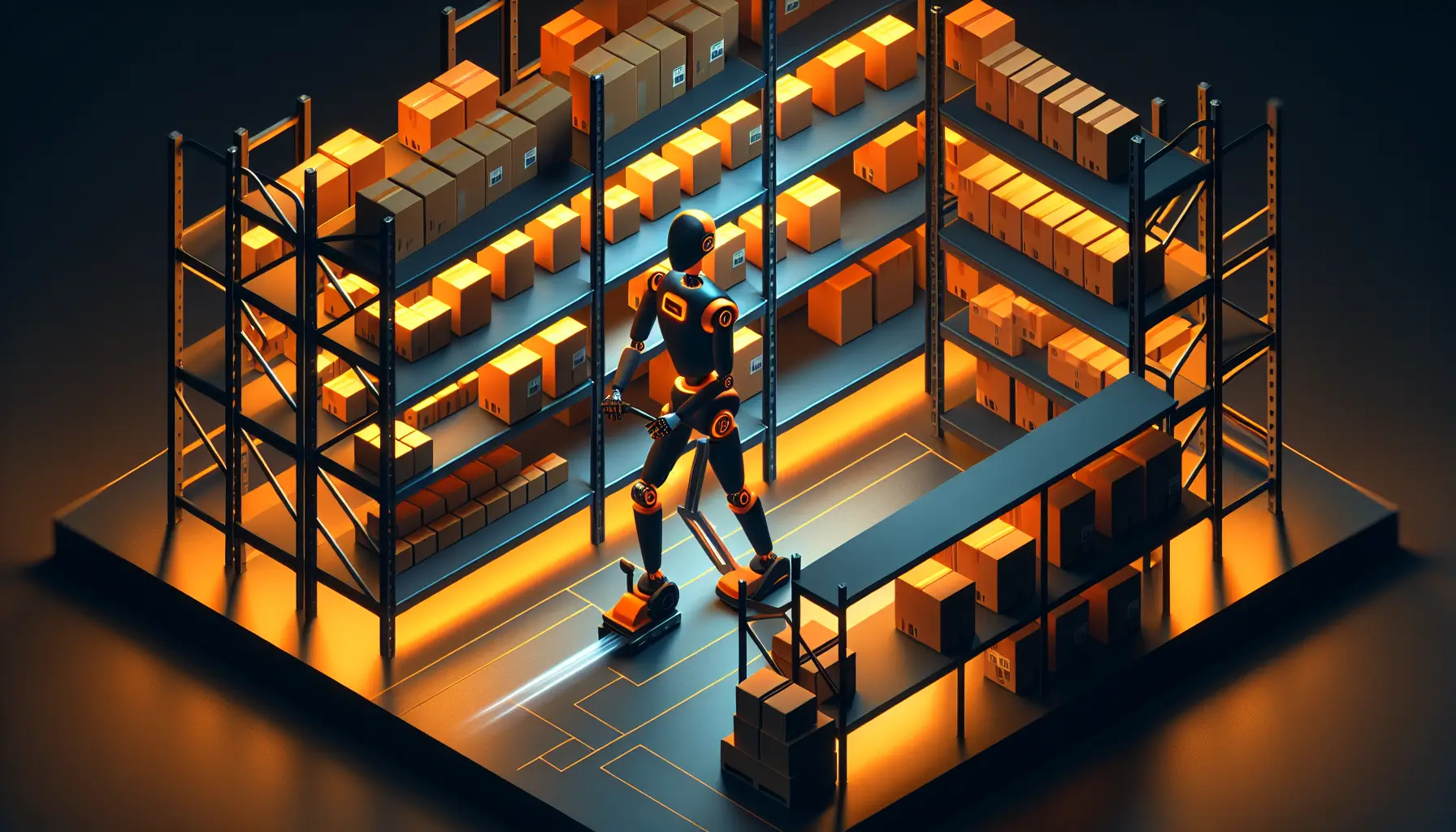
Agility Robotics is now just Agility. The company quietly dropped 'Robotics' from its name this week, and while that might sound like corporate housekeeping, it's actually a clear signal: pilot phase is over.
When a company removes the thing it makes from its name, it's saying something about where it sits in the market. Apple dropped 'Computer' in 2007. Google became Alphabet. Nike was never 'Nike Shoes'. The product becomes assumed. You're no longer explaining what you do - you're just doing it at scale.
For Agility, that shift reflects commercial momentum that's quietly accelerated over the past year. Toyota, GXO Logistics, and Amazon are already deploying Digit robots in actual warehouse operations - not labs, not demos, but real facilities moving real products. That's the difference between a research project and a business.
What Changed
Digit, Agility's bipedal warehouse robot, was always designed for a specific job: moving totes and containers in spaces built for humans. No conveyor redesigns. No facility overhauls. Just slot it into existing workflows.
The early pitch was compelling but unproven. Humanoid form factor in a warehouse? Why not just use wheeled robots or fixed automation? The answer, it turns out, is flexibility. Warehouses change layout constantly. Seasonal demand spikes. Different clients need different handling. Digit adapts without reprogramming the entire facility.
Amazon's deployment at one of its fulfilment centres was the validation that mattered. When the largest logistics operator in the world puts robots on the floor - not in a corner for PR photos, but in the flow of actual operations - other companies pay attention. GXO Logistics followed. Then Toyota. The pipeline behind them is reportedly significant.
Why This Matters Beyond Warehouses
Agility's rebrand isn't just about warehouse robots. It's about what happens when humanoid robotics moves from 'interesting prototype' to 'deployed infrastructure'. That shift changes the conversation for every other company working in this space.
Boston Dynamics has Atlas. Tesla has Optimus. Figure AI has Figure 02. But Agility has customers paying for deployed units. That's a different category of credibility. It means the technology works well enough, often enough, in messy enough conditions, that someone is willing to bet operational continuity on it.
The broader implication is what this does to the economics of labour-intensive logistics. A robot that can work 22 hours a day (with charging breaks), doesn't call in sick, doesn't need health insurance, and gets better with software updates - that changes the cost model for warehouse operations. Not immediately. Not everywhere. But the direction is clear.
For business owners watching this space, the question isn't whether humanoid robots will arrive in logistics. They're already here. The question is how fast costs drop and capabilities improve to the point where mid-sized operations can justify them. Agility's rebrand suggests they think that timeline is shorter than most people expect.
What Comes Next
Dropping 'Robotics' from the name also frees Agility to expand beyond Digit. If you're 'Agility Robotics', you make robots. If you're 'Agility', you solve logistics problems - and robots happen to be one tool in that toolkit. It's a subtle but important shift in positioning.
The company hasn't announced what else is coming, but the rebrand creates room for fleet management software, integration partnerships, and potentially leasing models that make deployment more accessible. You don't need to buy the robot outright if Agility can offer robot-as-a-service with uptime guarantees.
For anyone building in robotics, this is a marker. The companies that succeed won't be the ones with the most impressive prototypes. They'll be the ones that figure out deployment, maintenance, fleet coordination, and customer trust. Agility just signalled they believe they've crossed that threshold.
The name change is small. The signal is not.