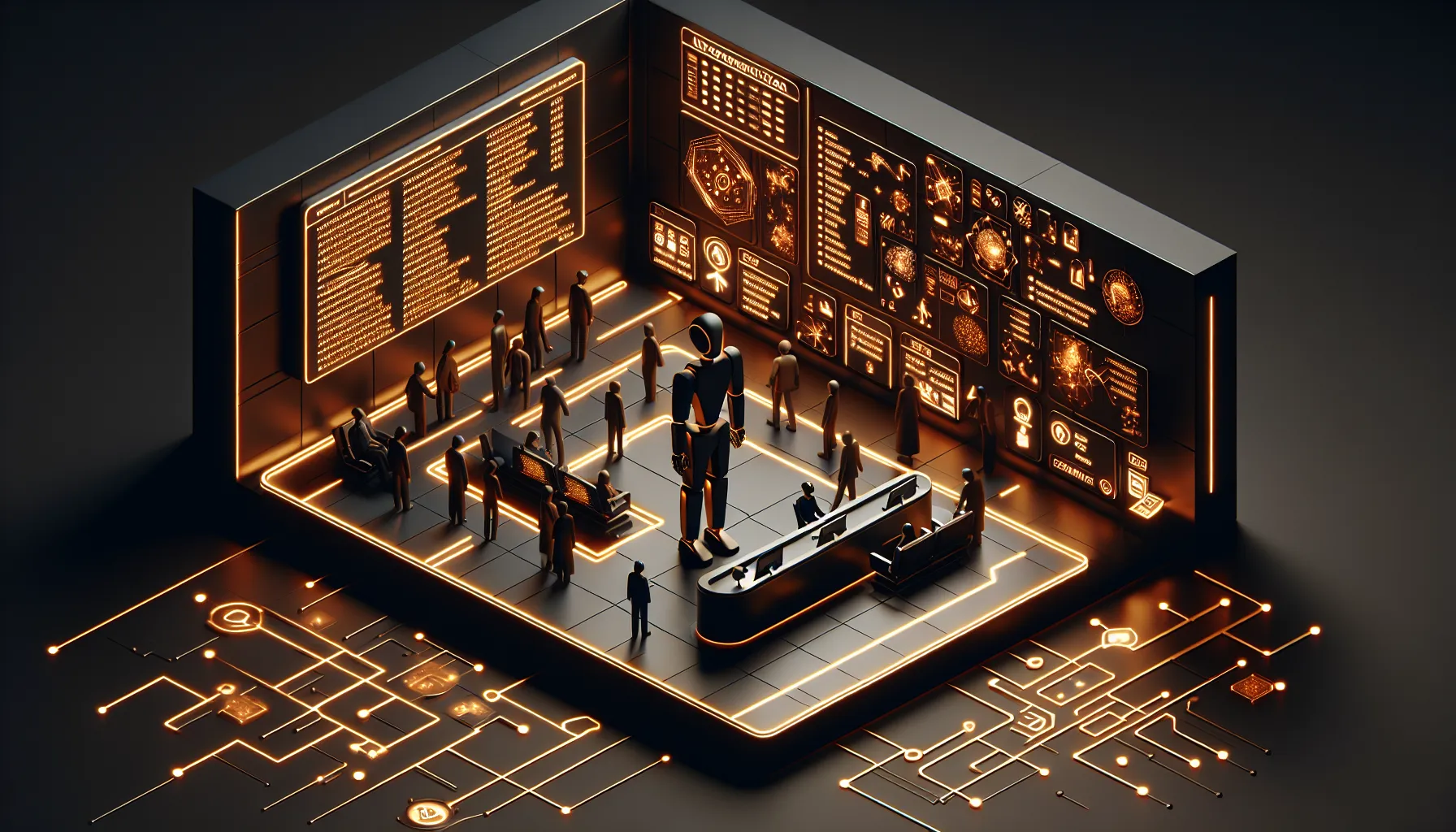
A humanoid robot named José has been deployed at San José Mineta International Airport, greeting passengers and answering questions in over 50 languages. This isn't a concept video or a pilot programme tucked away in a research lab - it's a customer-facing deployment in one of America's busiest travel hubs.
The robot, developed by IntBot, handles real-time traveller assistance. Lost your gate? José can help. Need directions in Mandarin? He's got that covered. The system draws on live airport data to provide current flight information, terminal layouts, and navigation assistance.
Why This Deployment Matters
Public-facing robotics deployments have historically struggled with the gap between controlled demonstrations and real-world chaos. Airports present a particularly challenging environment - high traffic, diverse languages, unpredictable human behaviour, and genuine consequences when things go wrong. A confused passenger missing a flight isn't an acceptable failure mode.
What makes José notable isn't the hardware itself. Humanoid robots have existed for years. It's the decision to deploy one in a setting where it must handle thousands of interactions daily, with minimal human intervention, across dozens of languages. That's a different level of system reliability than a trade show demo.
The multilingual capability addresses a genuine pain point. Airport staff can't realistically speak 50 languages. Translation apps exist, but they require passengers to pull out phones, navigate interfaces, and trust automated translations in high-stress moments. A physical presence that speaks your language directly changes the interaction dynamic.
The Pattern Behind the Deployment
This deployment sits within a broader shift in robotics strategy. For years, the industry focused on building increasingly sophisticated hardware - better joints, smoother movement, more human-like appearance. The assumption was that capability would unlock applications.
That's reversing. Companies are now identifying specific, high-value use cases first, then building systems that reliably solve those problems. José doesn't need to pass a Turing test or demonstrate general intelligence. He needs to answer directional questions accurately and handle 12 hours of airport foot traffic without breaking down.
The economic model matters too. Airport customer service is expensive - staffing multilingual assistance 24/7 requires significant headcount. A robot that can handle routine queries frees human staff for complex issues requiring judgment and empathy. The business case becomes compelling when the technology proves reliable enough to reduce staffing costs without degrading service quality.
What Comes Next
If José performs well over the next six months, expect similar deployments across other airports, shopping centres, and public venues. The barrier isn't the technology anymore - it's proving operational reliability in messy, unpredictable environments.
For businesses watching this space, the question isn't whether humanoid robots will become commonplace. It's which use cases justify the investment first, and which companies can deliver systems that actually work when the cameras aren't rolling.
The interesting bit isn't that we can build a multilingual robot. It's that someone decided the technology is reliable enough to put it in front of stressed travellers with tight connections. That confidence signals a shift from prototypes to production systems.
Read more about the deployment at The Robot Report.